

In construction and architectural design, one of the most common comparisons is between natural stone cladding and paint. While paint may seem like a more economical option initially, the long-term perspective tells a different story.
Durability Comparison
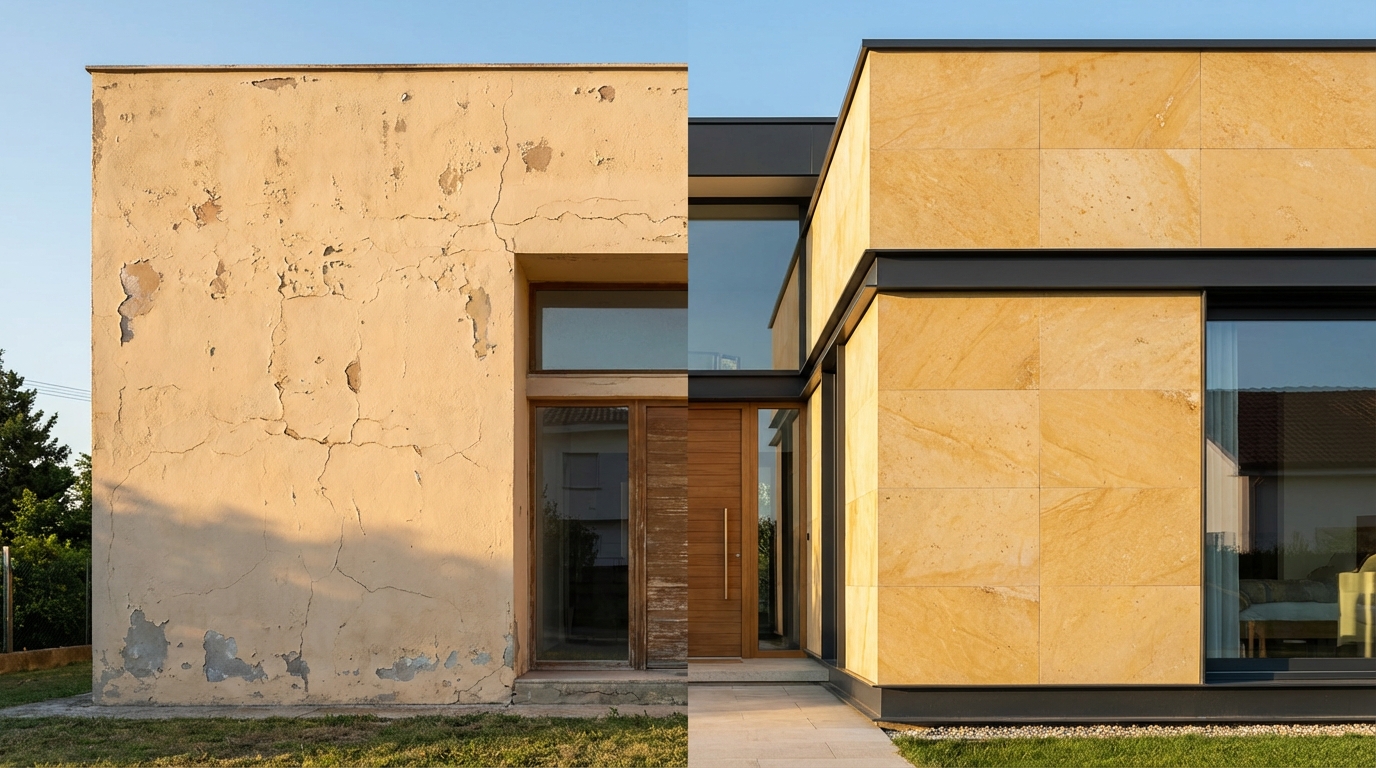
Paint is highly affected by environmental factors such as sunlight, rain, wind, and humidity. Over time, it may:
Fade
Crack
Peel off
Bubble
On the other hand, stone cladding systems can maintain their appearance for many years with minimal maintenance.
Cost Efficiency
Although paint appears cheaper at first, it requires regular maintenance and repainting, making it more expensive over time.
Natural stone cladding:
Is a one-time investment
Requires minimal maintenance
Increases property value
This is why it is widely preferred in large-scale projects and luxury villas.
Aesthetic and Architectural Impact
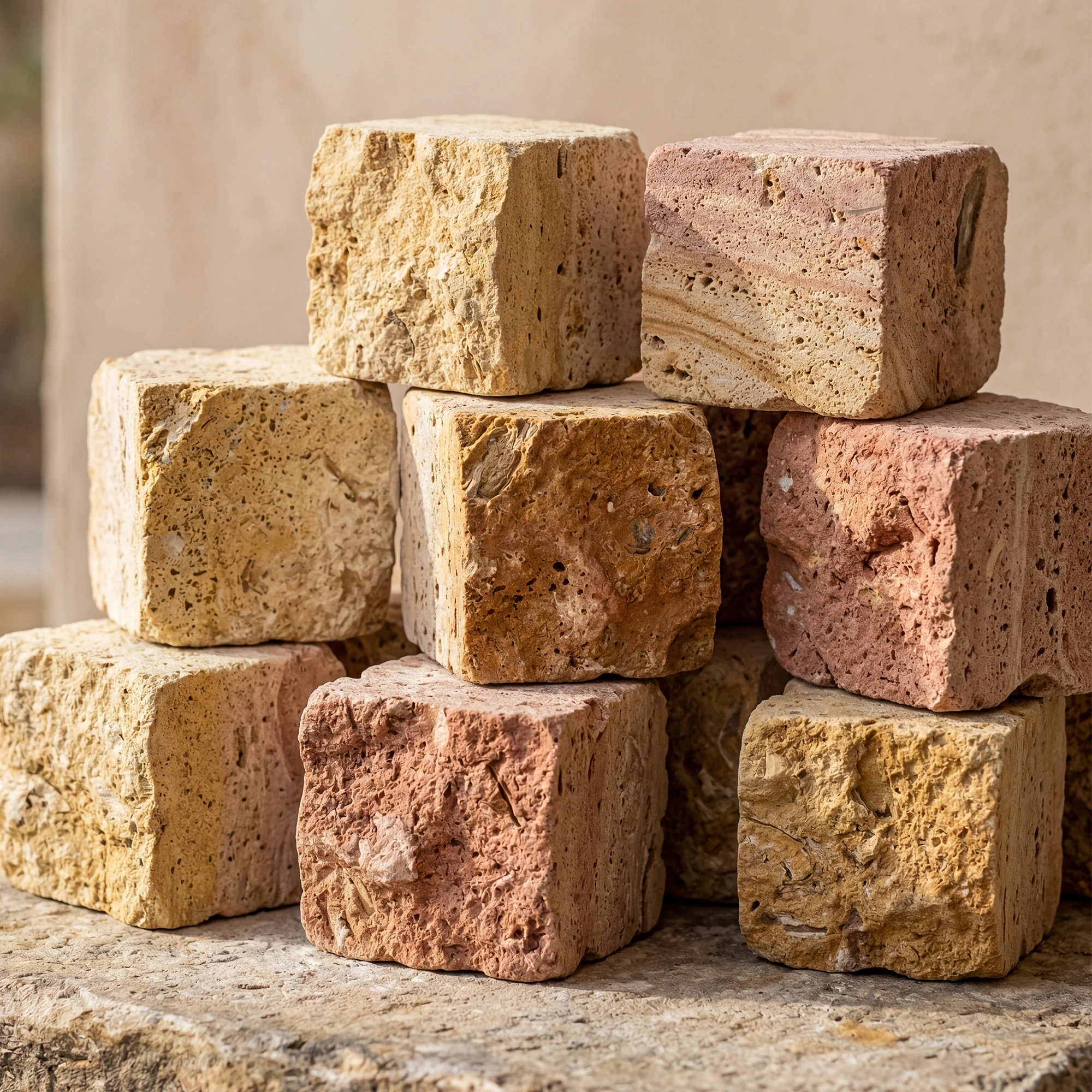
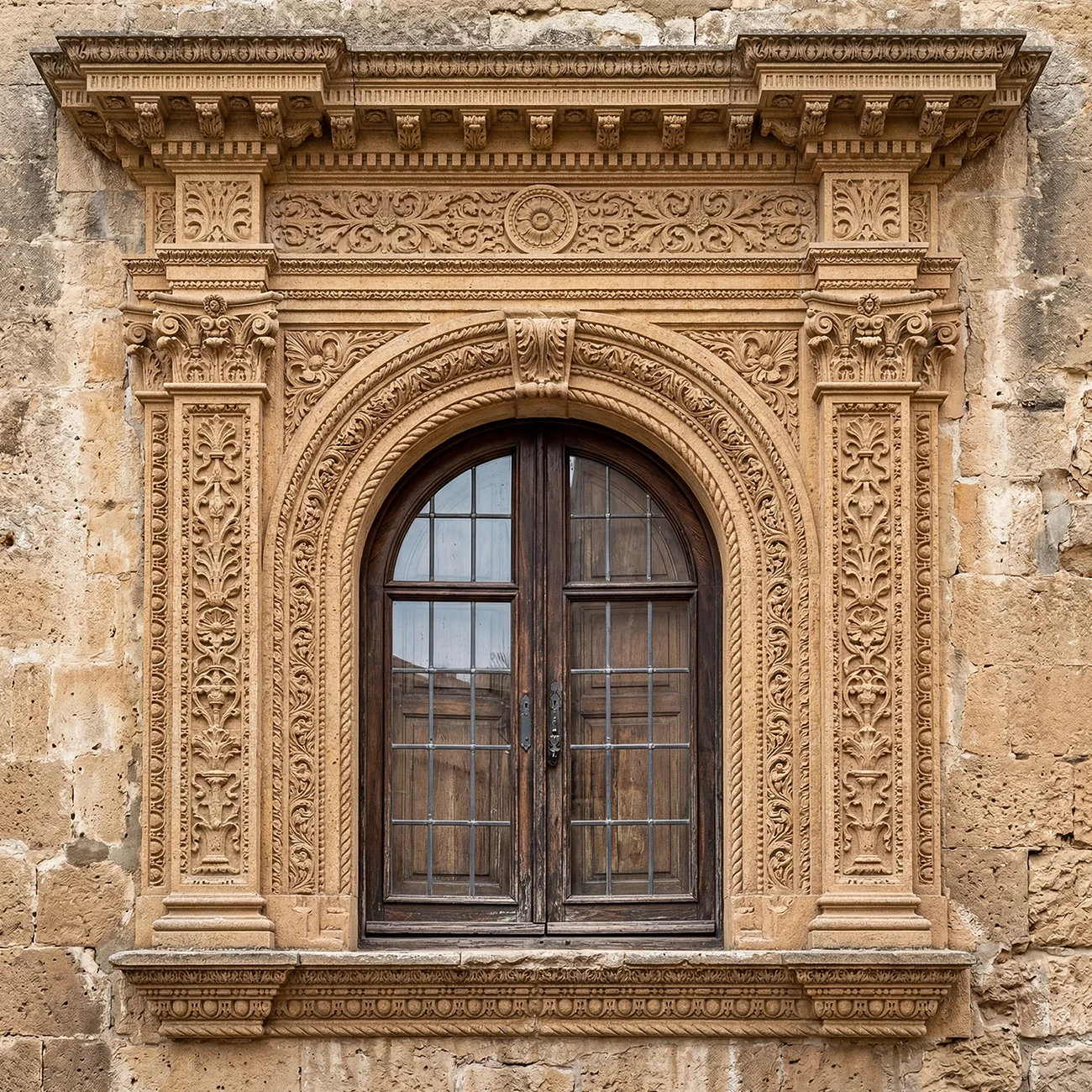
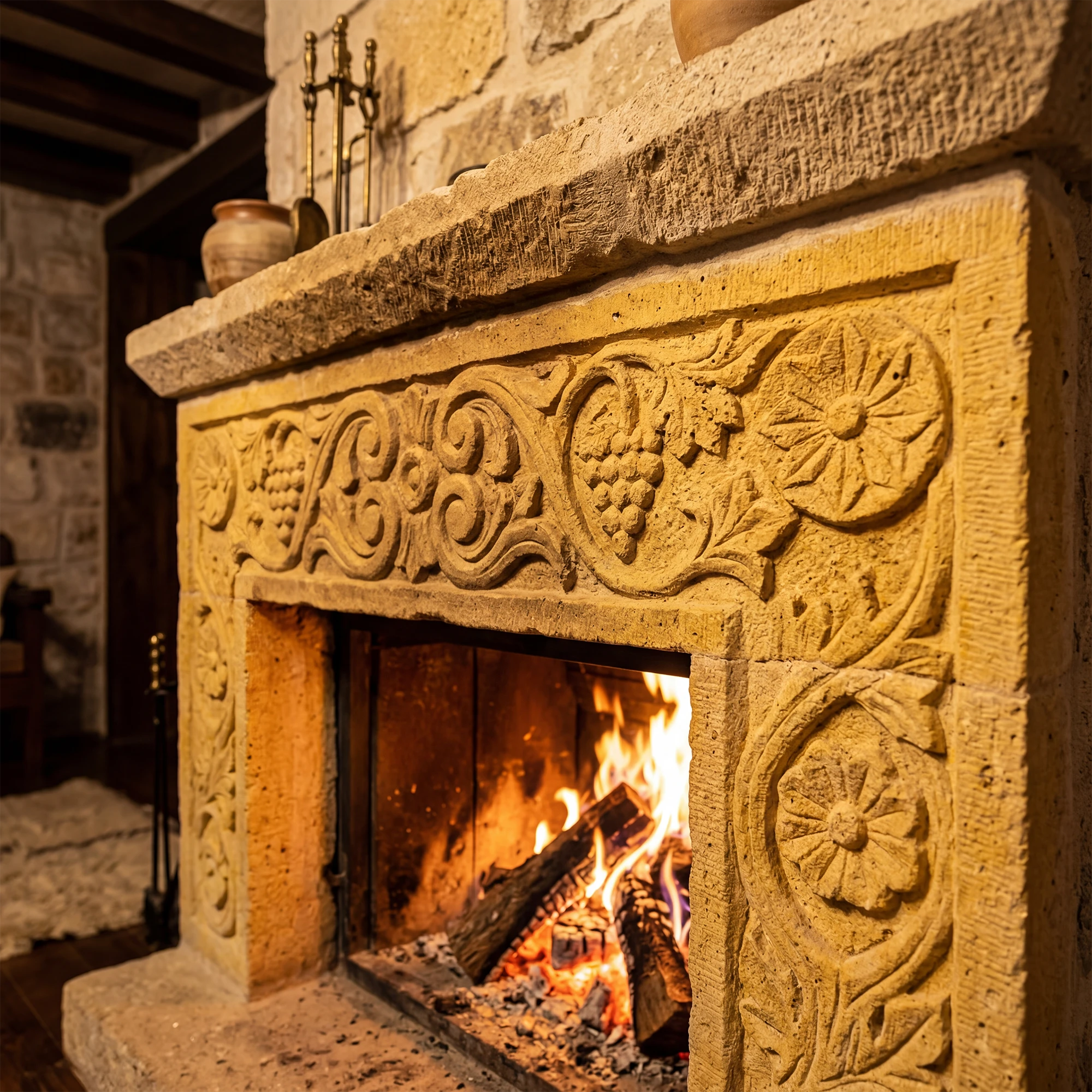
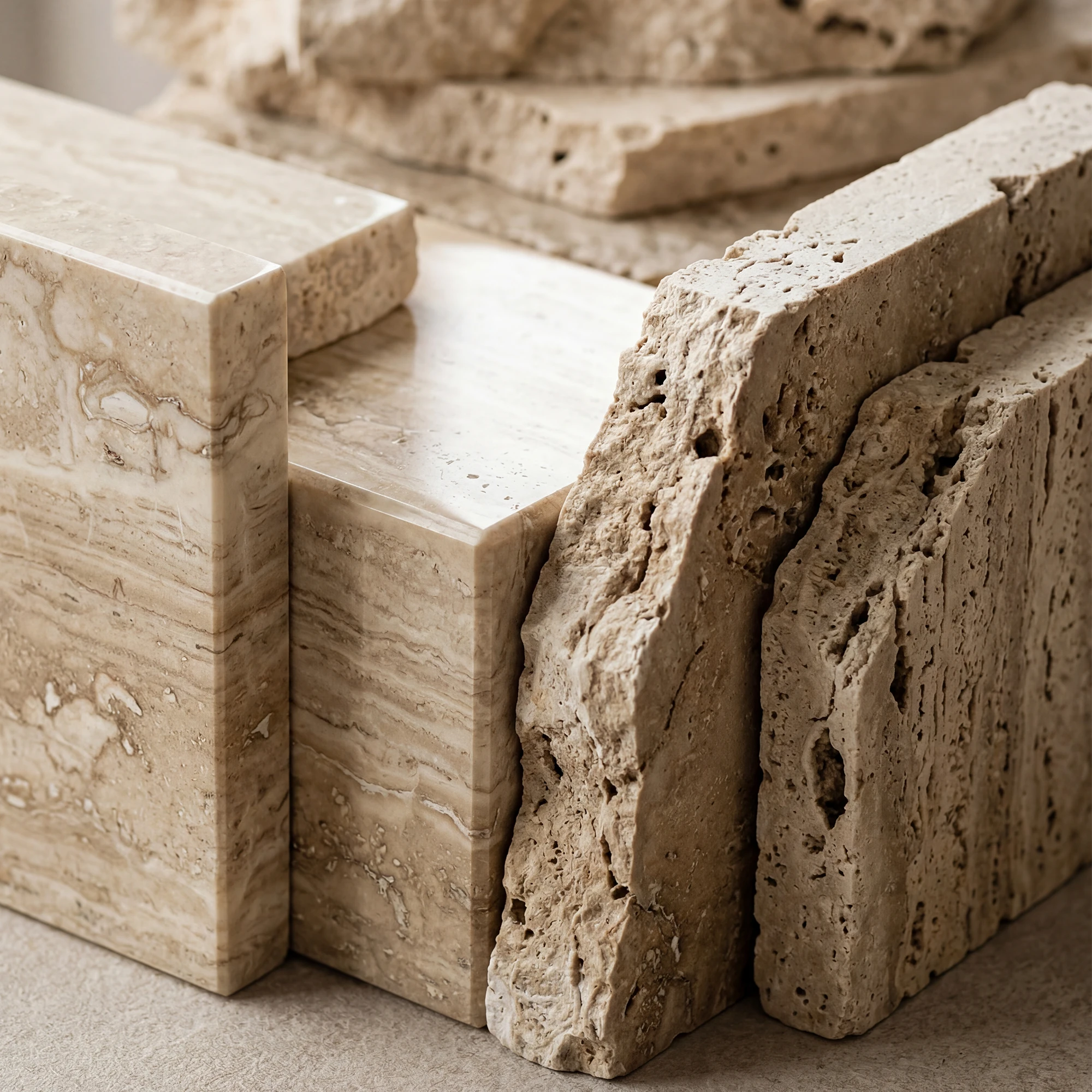
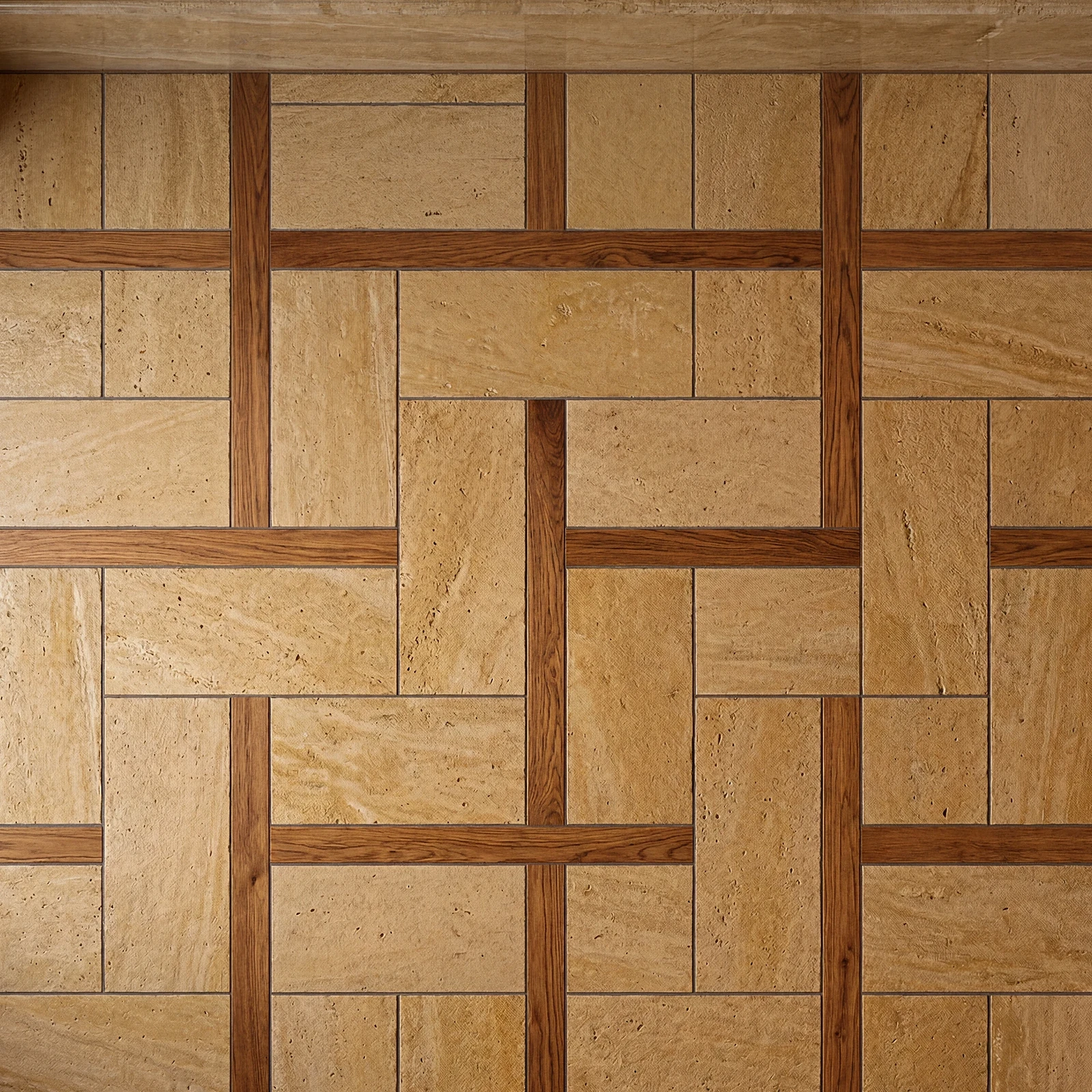
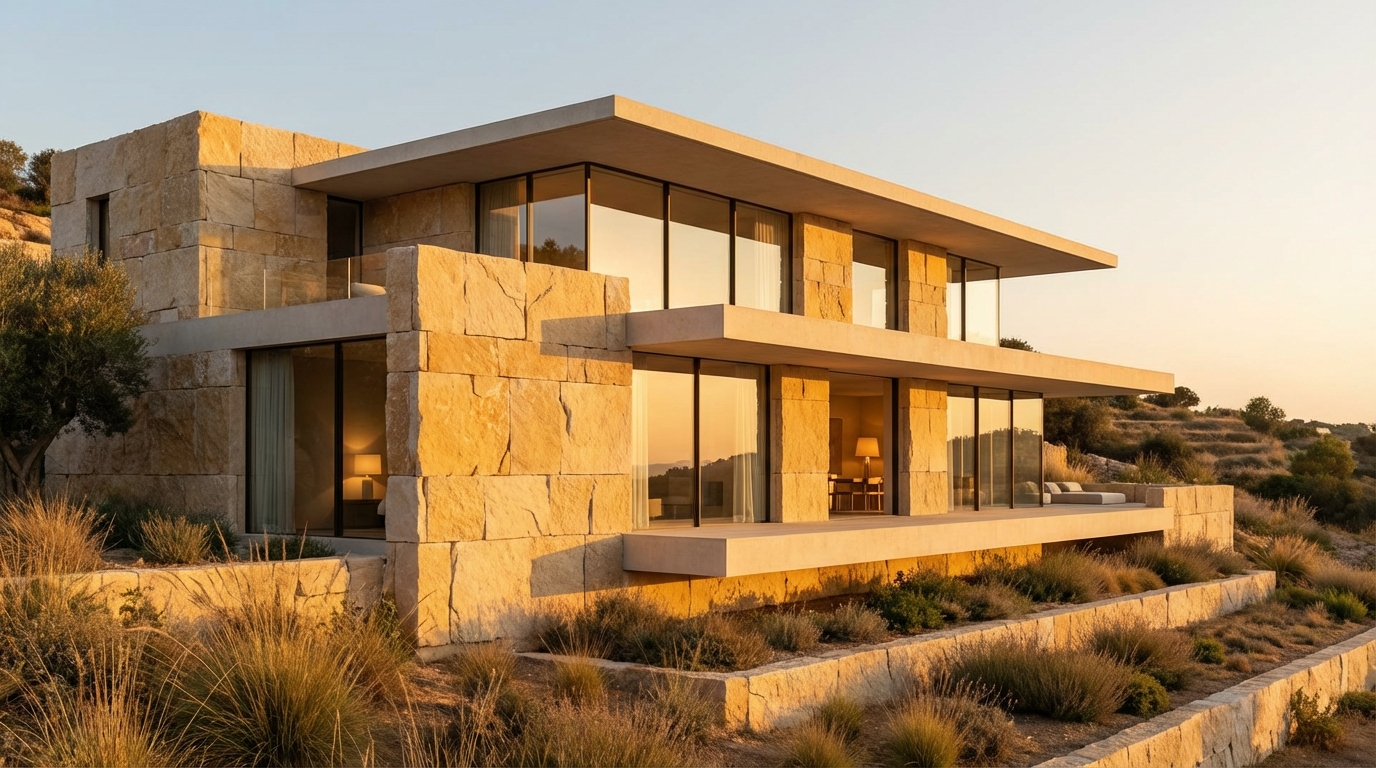
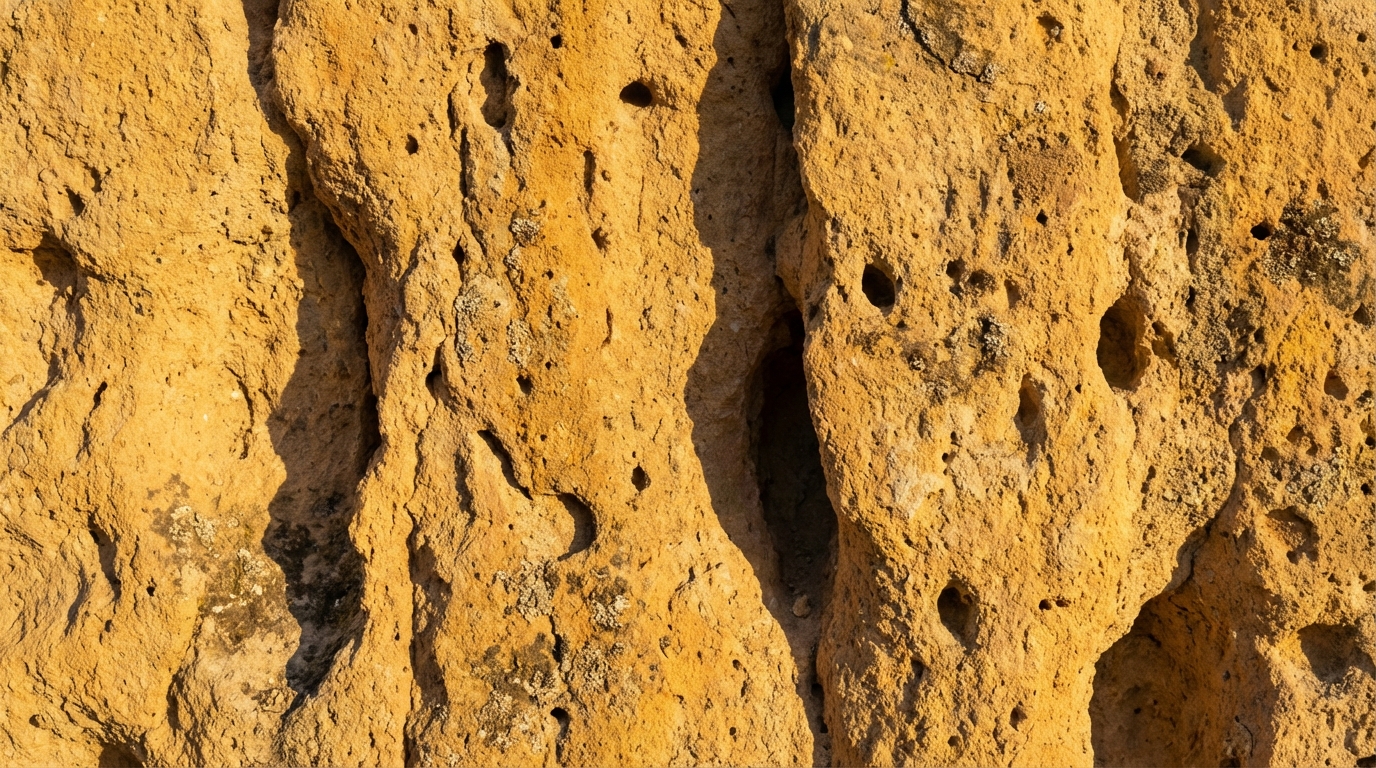
Decorative stone cladding adds a natural, elegant, and timeless look to buildings. Especially Cappadocia yellow stone creates a unique atmosphere with its warm tones.
Paint, in contrast, provides a flat and standard look and lacks the strong visual impact of stone.
Environmental Aspect
Natural stone is an environmentally friendly material as it is directly sourced from nature and contains no harmful chemicals.
Conclusion
Considering durability, aesthetics, and long-term value, natural stone cladding is a far superior option compared to paint. This is why its use is rapidly increasing in modern architectural projects.